Fuel for Life Explained: Calories, Nutrients, and Energy
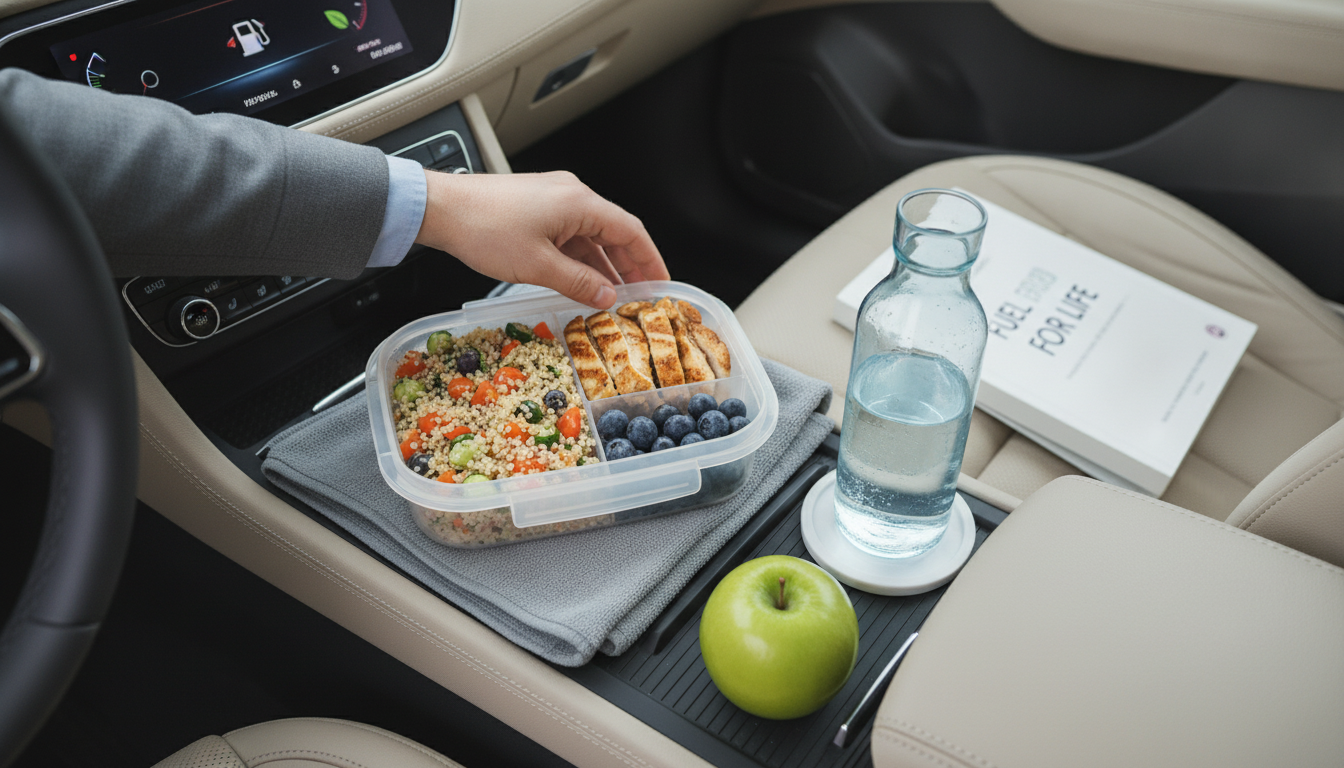
What is fuel for life?
“Fuel for life” is a simple way to describe what your body needs to produce energy, repair itself, and keep essential systems running day after day. It includes the calories that power movement and brain activity, plus the nutrients that support everything from immune function to hormone balance. Think of it as the combination of what you consume and what your body can actually use.
At the most basic level, fuel comes from macronutrients: carbohydrates, fats, and proteins. Carbohydrates are a fast, flexible energy source, especially for higher-intensity activity. Fats provide long-lasting energy and play a major role in cell structure and nutrient absorption. Protein supports tissue maintenance and rebuilding and can also contribute to energy needs when necessary.
Fuel isn’t only calories
Two diets with the same calorie count can “feel” very different because quality matters. Vitamins and minerals help convert food into usable energy and keep key processes stable. Fiber supports digestion and can influence how steady your energy feels through the day. Hydration also counts—water helps transport nutrients and supports circulation, temperature control, and performance.
“Fuel for life” looks different for different people
Your ideal fuel mix depends on your age, activity level, health goals, and daily routine. Someone training regularly may need more carbohydrates and protein than someone with a sedentary schedule. Stress, sleep, and overall health can also shift how your body uses energy, which is why consistent meals and balanced choices often beat extreme approaches.
For a deeper, practical breakdown of what “fuel for life” can mean in everyday choices, visit What is fuel for life?.
For Fuel for Life Explained: Calories, Nutrients, and Energy, the best answer depends on fit, material, care instructions, and how the product will be used day to day.
FAQ
What are examples of “fuel for life” foods?
Examples include complex carbs like oats and brown rice, healthy fats like olive oil and nuts, and proteins like eggs, fish, beans, and yogurt. Adding colorful fruits and vegetables helps provide the micronutrients that support energy production and recovery.












Leave a comment