Decode Dog Body Language: Tail Wags, Stress & Play
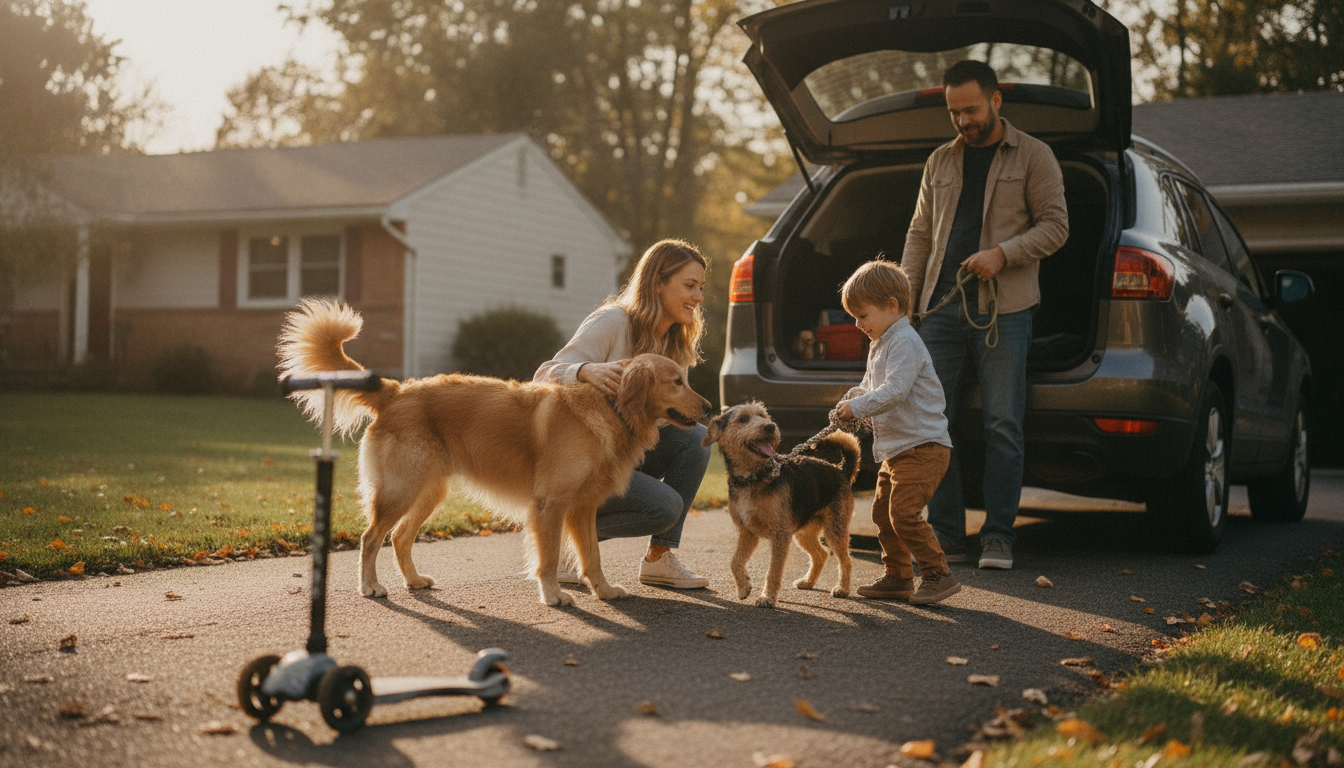
How to speak dog: a guide to decoding dog language
Dogs “talk” all day—just not with words. They communicate with posture, facial expressions, tail motion, and a whole range of sounds. Learning to read these signals helps prevent misunderstandings, reduces stress for your pet, and makes training and daily routines smoother. For a deeper walkthrough and examples, visit How to Speak Dog: A Guide to Decoding Dog Language.
How do dogs communicate without words?
Dog language is mostly nonverbal. A dog’s body will often “speak” before they bark or growl, and those early signals are the easiest to miss. Watch the whole picture—ears, eyes, mouth, tail, and overall stiffness or looseness—rather than focusing on one feature.
What does a wagging tail really mean?
A wagging tail signals arousal, not automatically friendliness. A loose, wide wag paired with a relaxed body often means happy engagement. A stiff, high tail with fast, tight wags can signal tension or alertness, especially if the dog’s body looks rigid or their stare is intense.
How can you tell if a dog is stressed or uncomfortable?
Common stress signs include lip licking when no food is present, yawning out of context, turning the head away, “whale eye” (showing the whites of the eyes), pinned-back ears, and a tucked tail. Many dogs also freeze briefly before escalating, so a sudden stillness can be a serious warning to give space.
What do barking, whining, and growling typically indicate?
Vocalizations depend on context. Barking can mean excitement, alarm, frustration, or attention-seeking. Whining often shows impatience, anxiety, or a request. Growling is a clear boundary signal—rather than punishing it, increase distance from the trigger and address what’s making the dog feel unsafe.
How can you respond in a way dogs understand?
Use calm, consistent cues and reward the behavior you want. Approach sideways instead of head-on, avoid looming over nervous dogs, and give them an easy escape route. When a dog shows calming signals, pause and reduce pressure—this builds trust and prevents escalation.
FAQ
How do I know if my dog is playing or being aggressive?
Play usually looks bouncy and loose, with frequent pauses and role reversals, while aggression tends to look stiff, intense, and escalating. If you see freezing, hard staring, raised hackles, or repeated one-sided pinning, interrupt calmly and separate the dogs.








Leave a comment